
Clay House vs Tate Houses: One Brick, Two Expressions
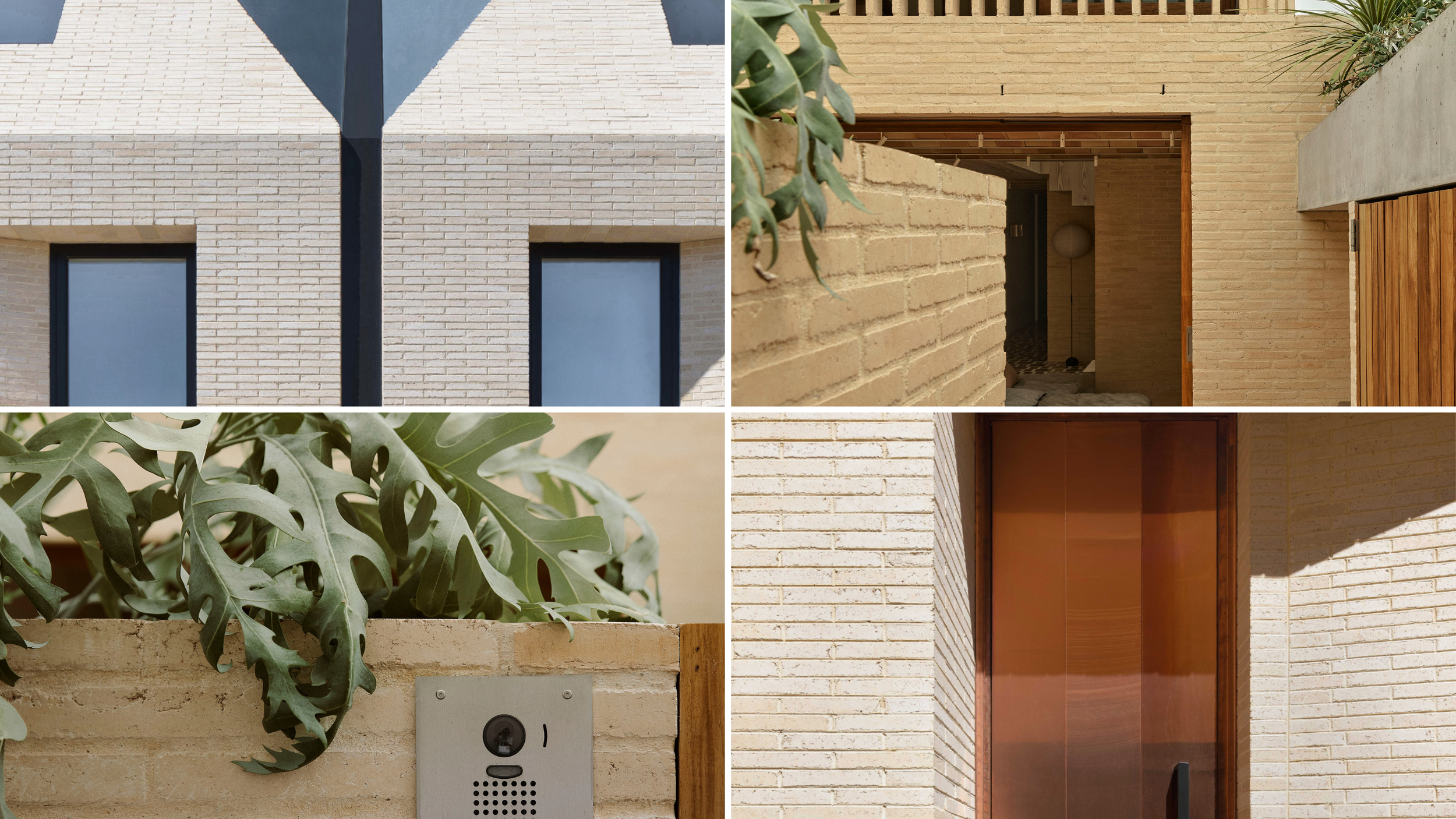
At first glance, Clay House and Tate Houses might seem worlds apart. Yet both use the same Roman Handmade Crema brick. Placed side by side, these projects reveal how this versatile material responds to its architectural and environmental context, resulting in two distinct expressions.
Clay House: Warm, Tactile, Immersive
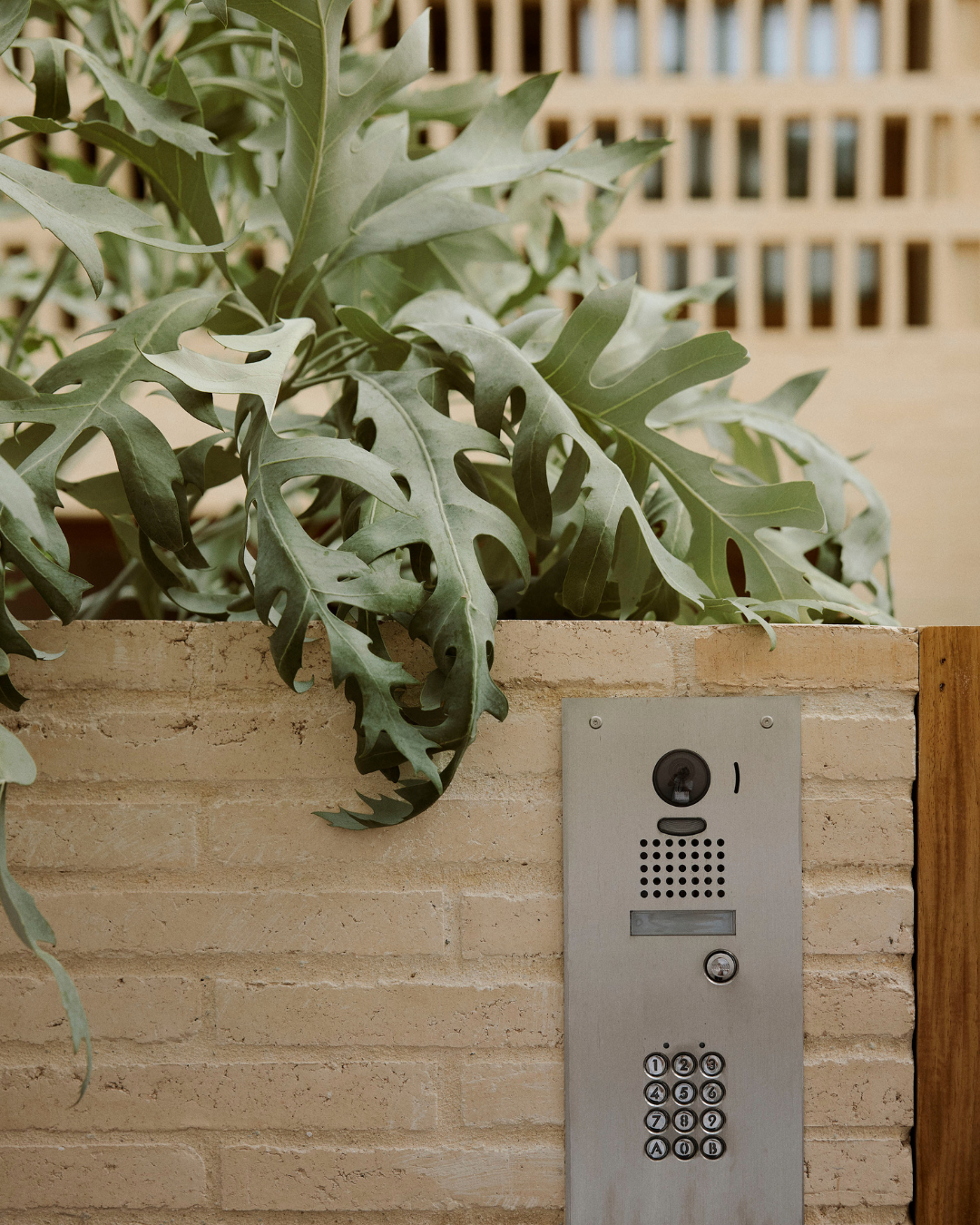
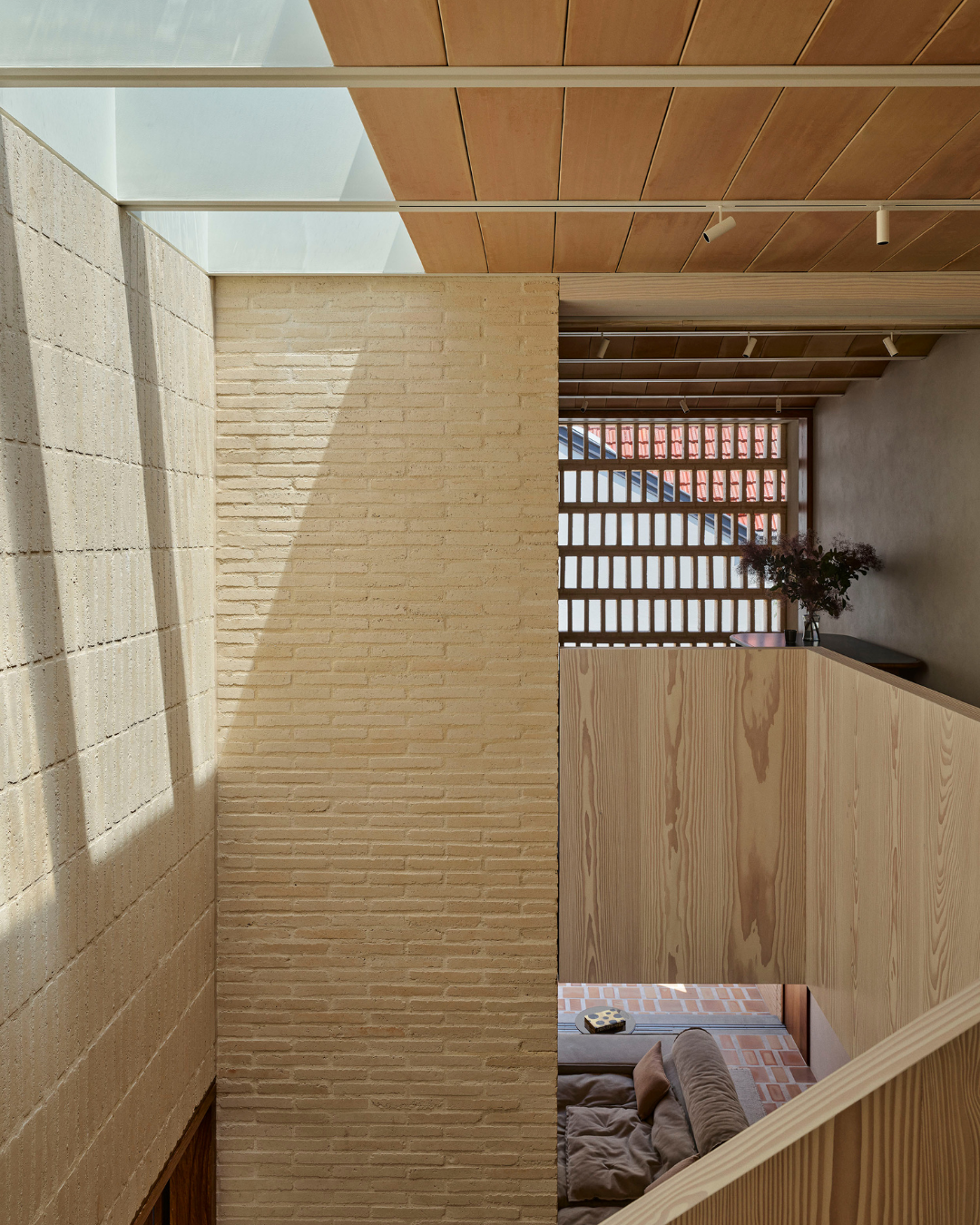
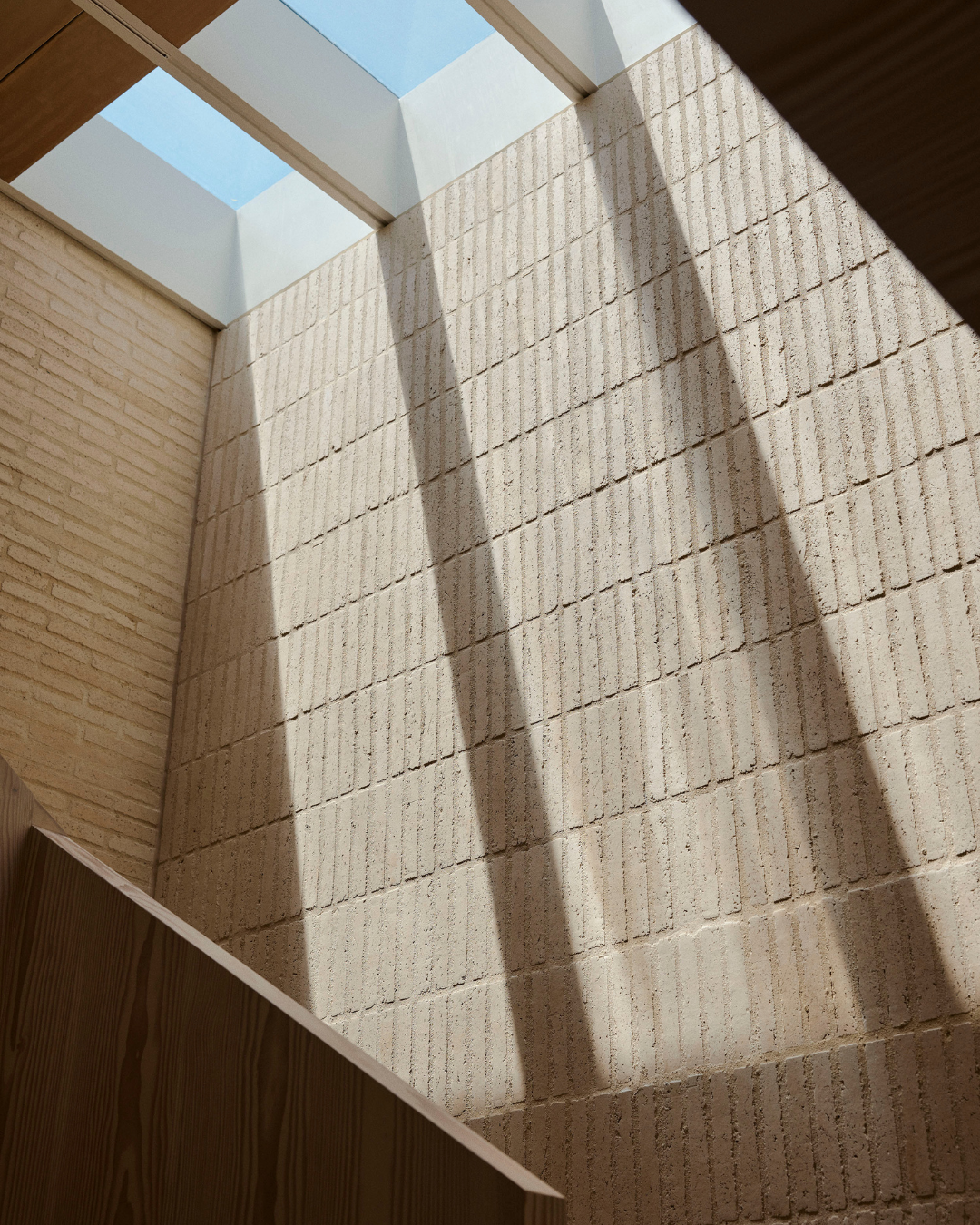
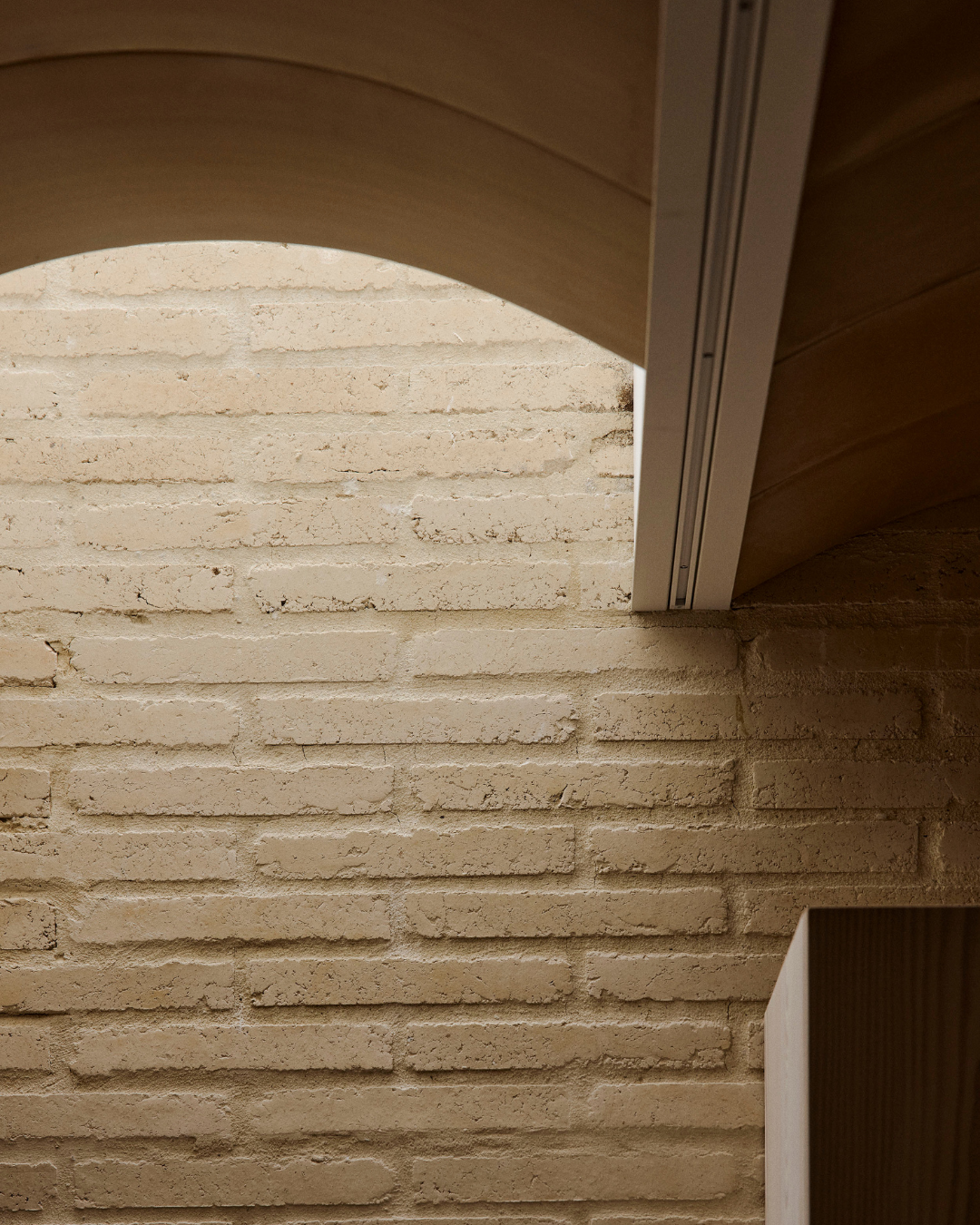
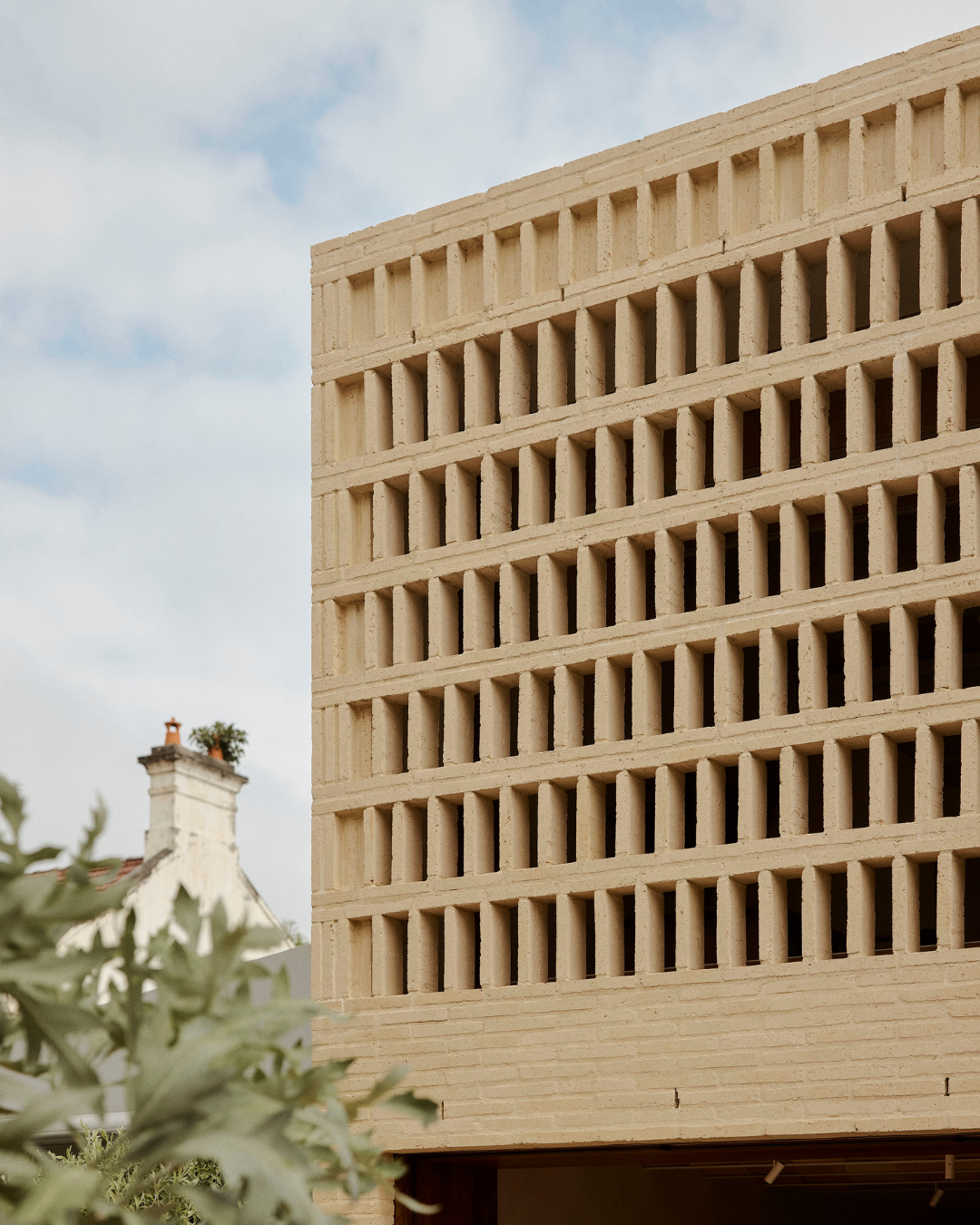
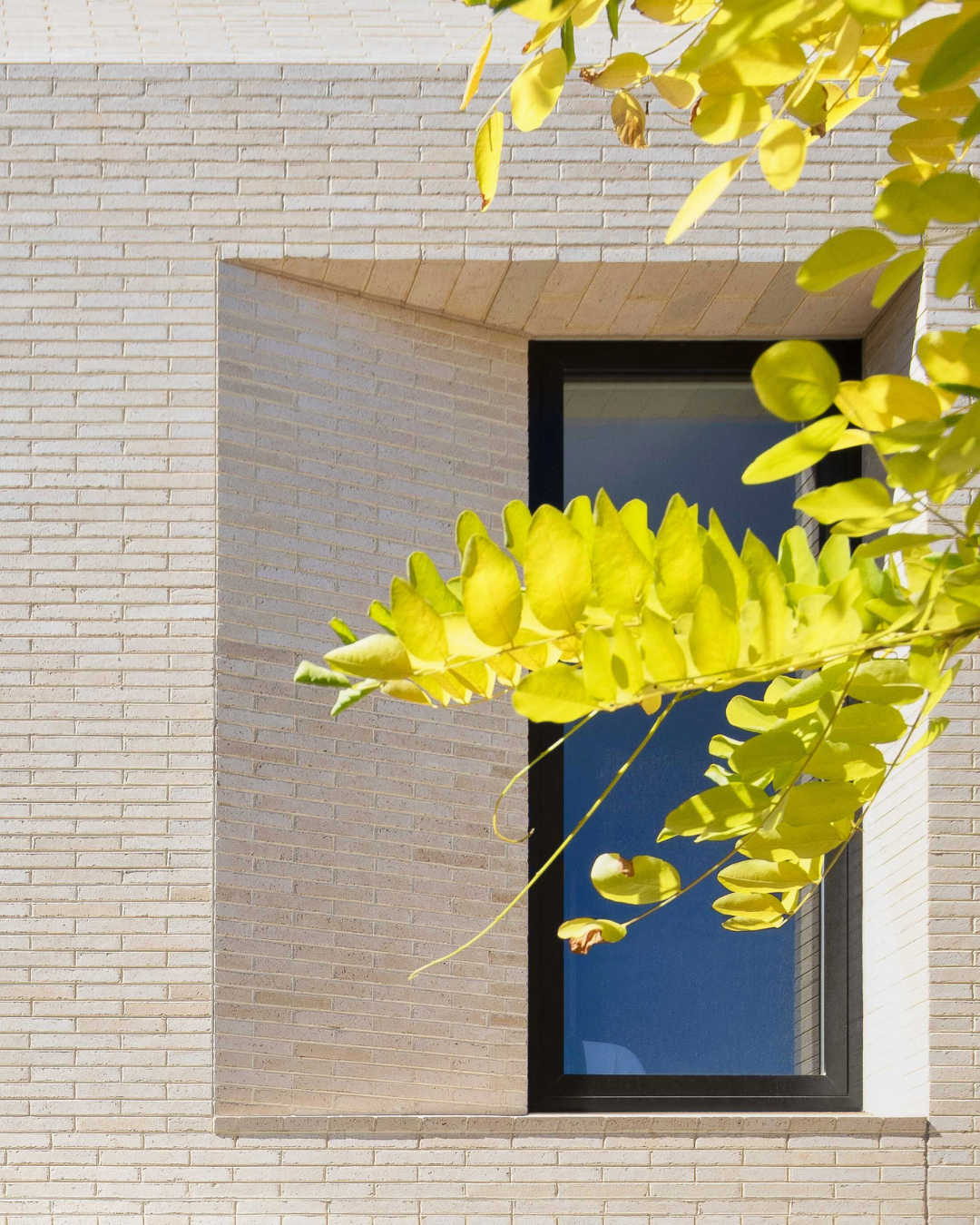
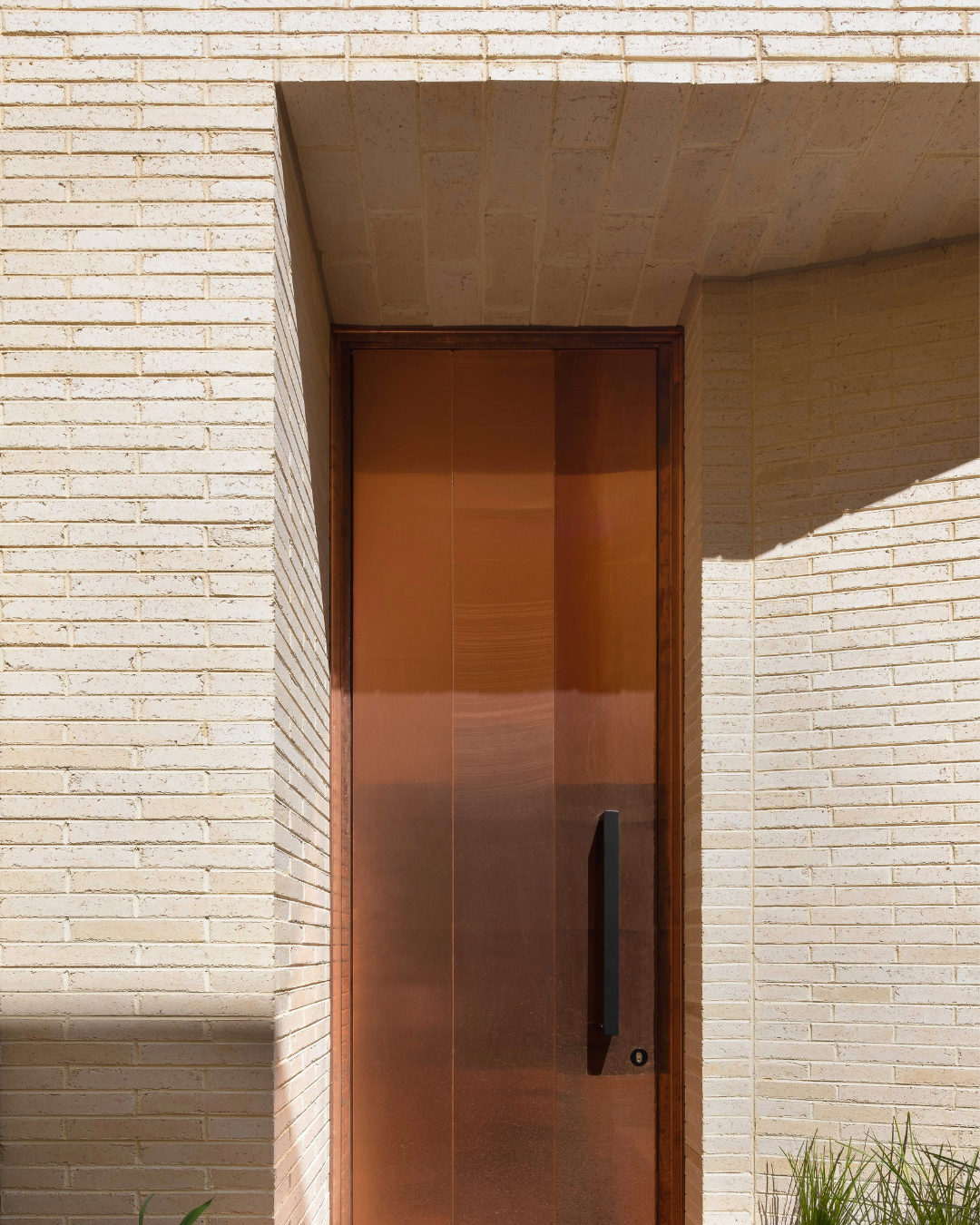
At Clay House, Roman Handmade Crema reads warmer, deeper, and more tactile. The building’s enclosed, intimate scale creates soft light conditions, allowing shadows to rest gently within the handmade surface.
Paired with timber elements and warm interior lighting, the brick emphasizes earthy undertones and a sense of material richness. Curved openings and close-up viewing distances bring the surface to life, making texture and subtle imperfections more pronounced.
Here, the sheltered environment protects the brick from harsh exposure, letting it feel calm, grounded, and almost sculptural. The result is a space where the brick connects to the human scale — warm, tactile, and immersive
Tate Houses: Light, Refined, Composed
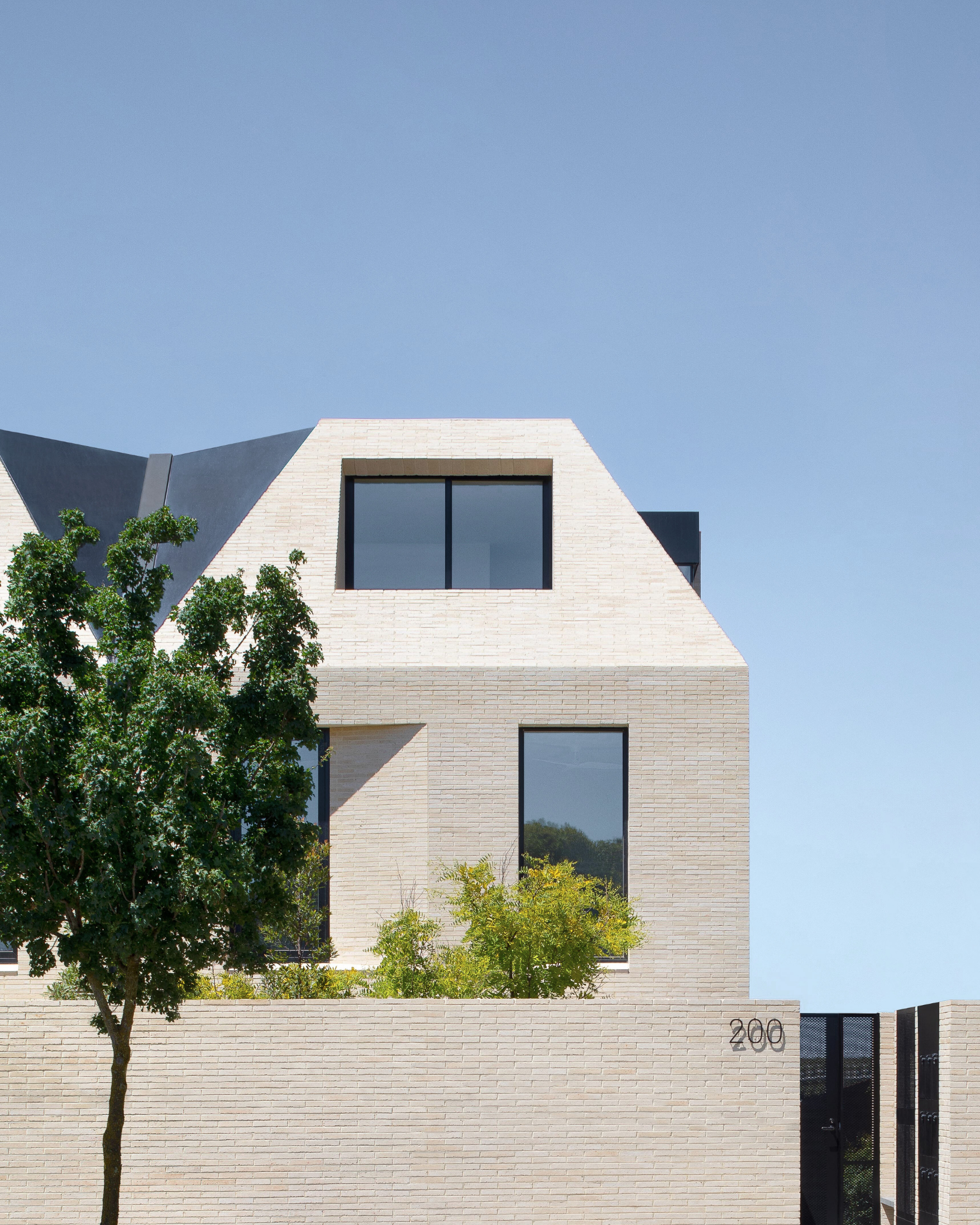
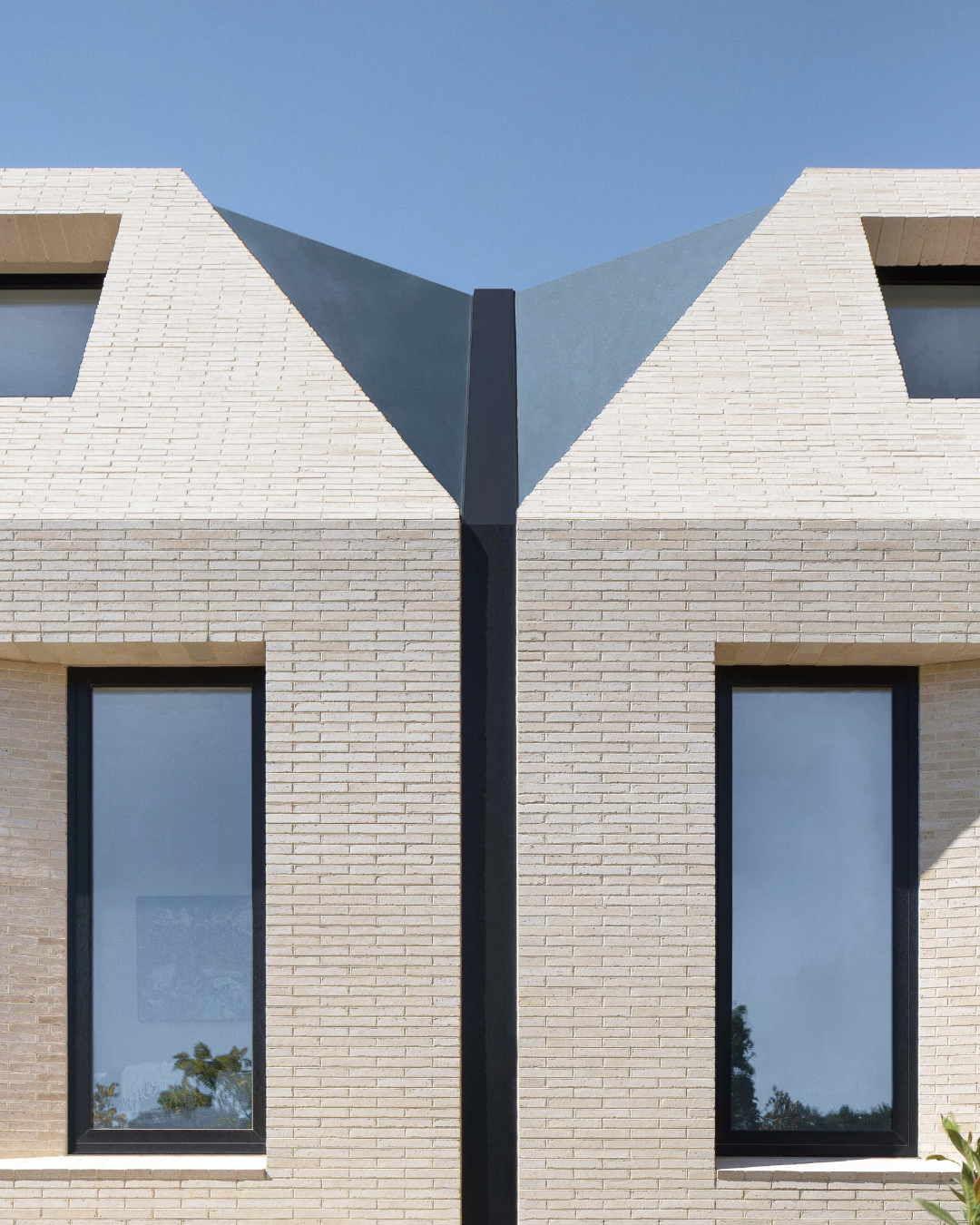
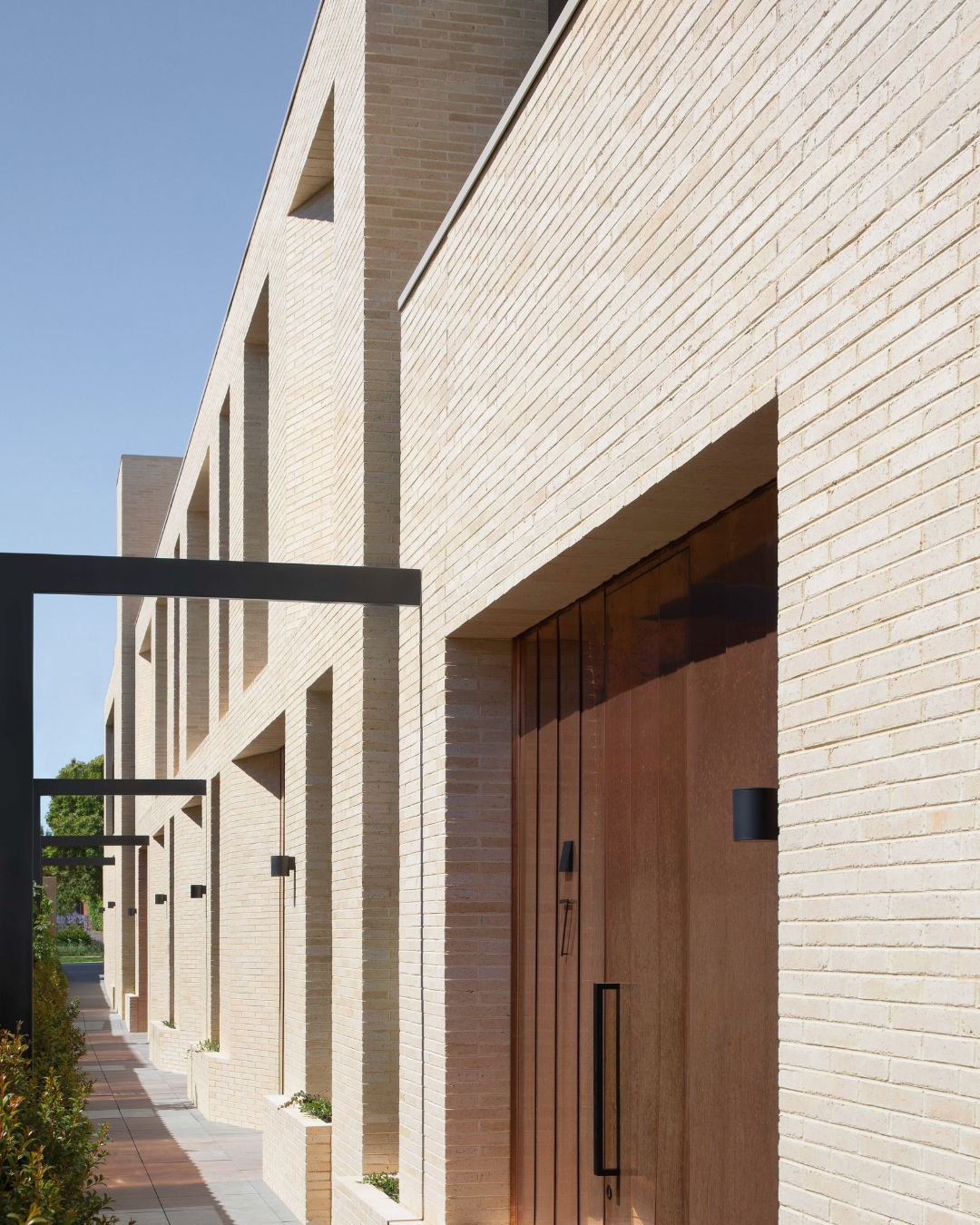
In contrast, Tate Houses present a lighter, more refined expression of the same material. The open streetscape and larger facade scale expose the brick to strong daylight, flattening shadows and creating a brighter, more uniform appearance.
Crisp architectural lines and sharp geometry shift attention from texture to form and proportion. Landscaping and sky reflections introduce subtle cooling tones, allowing the Crema to feel soft, contemporary, and composed. Consistent mortar joints and clean detailing reinforce restraint and precision, turning the brick into an elegant architectural backdrop.
What This Comparison Reveals
Clay House and Tate Houses demonstrate that Roman Handmade Crema is not a fixed aesthetic. Its character changes depending on:
Light exposure and orientation
Architectural scale and detailing
Proximity and viewing distance
Adjacent materials and landscaping
Degree of enclosure and shelter
The brick adapts intelligently, responding to place, architecture, and atmosphere.
A Material That Belongs to Its Setting
This adaptability is what makes Roman Handmade Crema enduring. It never dominates a project or enforces uniformity. Instead, it supports architectural intent, allowing each building to express its own identity while maintaining material honesty and continuity.
Clay House and Tate Houses are not contradictions — they are proof of the same material working beautifully in different contexts.
